
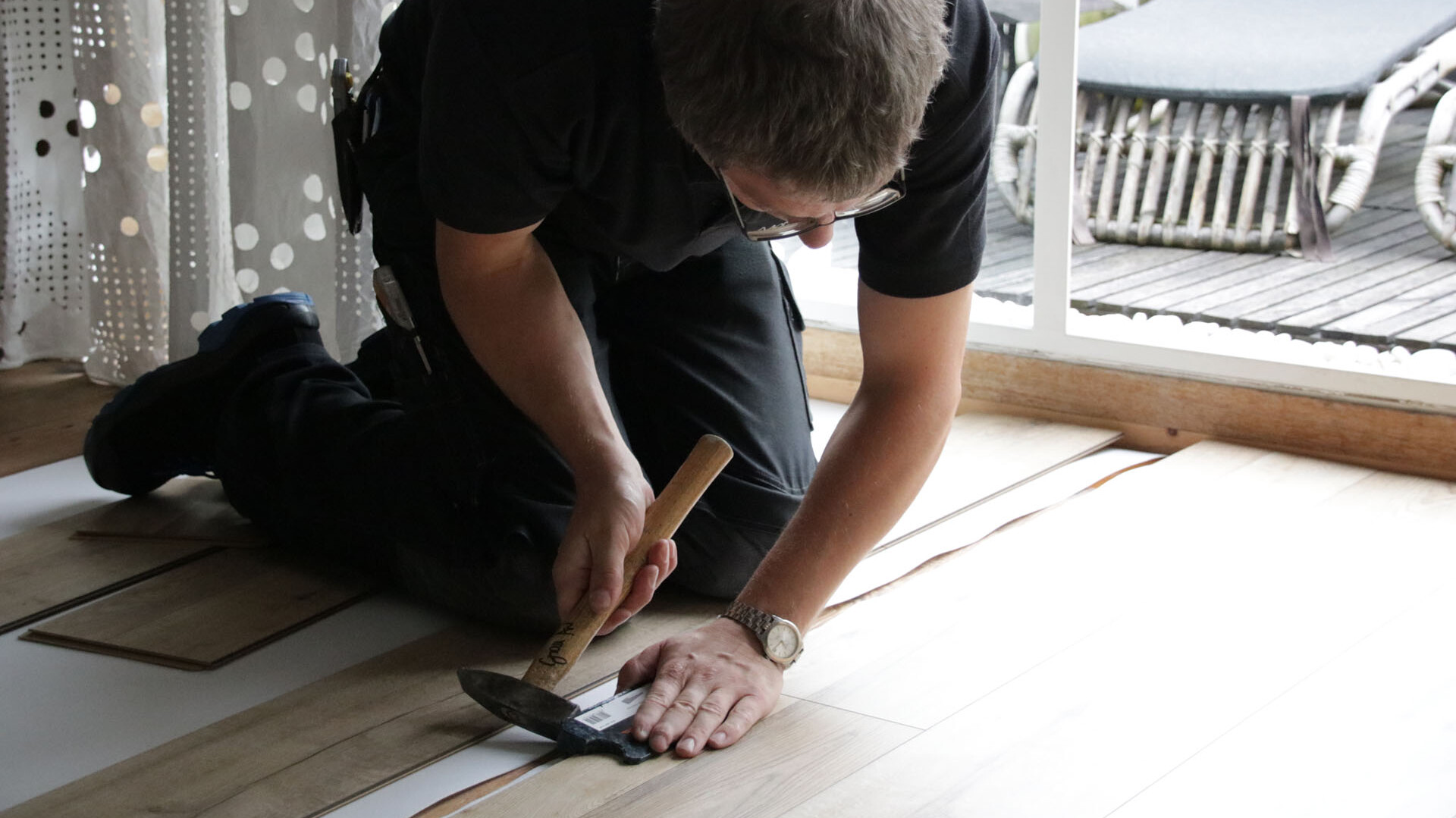

The parquet flooring must acclimatise before laying: Store them unopened for approx. 48 hours (in winter 3–4 days) in the centre of the room in which you want to install the floor. The room temperature must be approx. 20°C (at least 15°C), and the relative humidity must be approx. 30–65%.
The subfloor must be dry, even, firm and clean. The residual humidity, measured using the CM method, of mineral subfloors must be no more than 2 percent (1.8 percent for underfloor heating) and that of anhydrite screeds must be a maximum of 0.5 percent (0.3 percent for underfloor heating). Any subfloor unevenness of three or more millimetres for each initial metre and two or more millimetres for each subsequent continuous metre must be evened out.
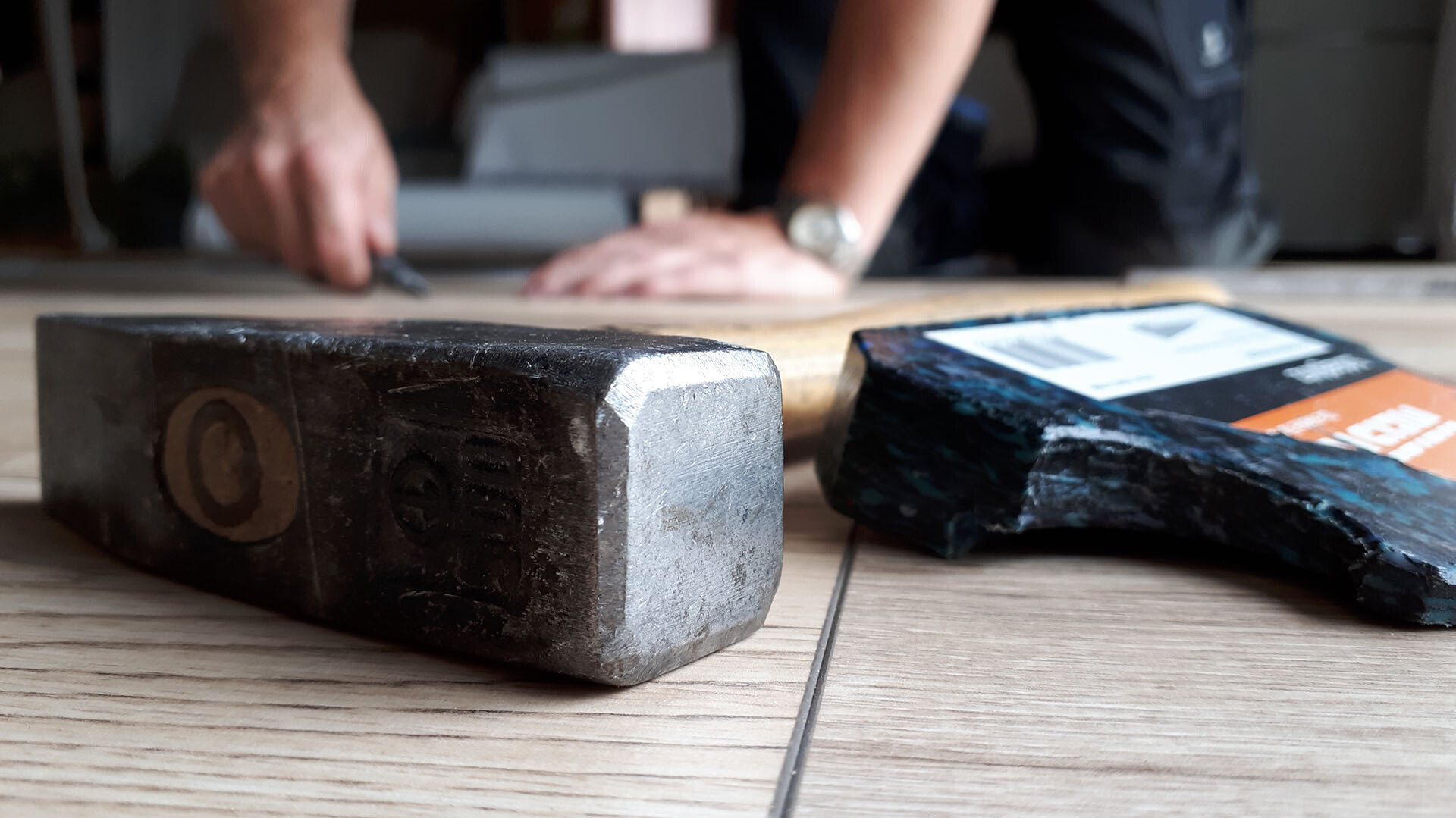
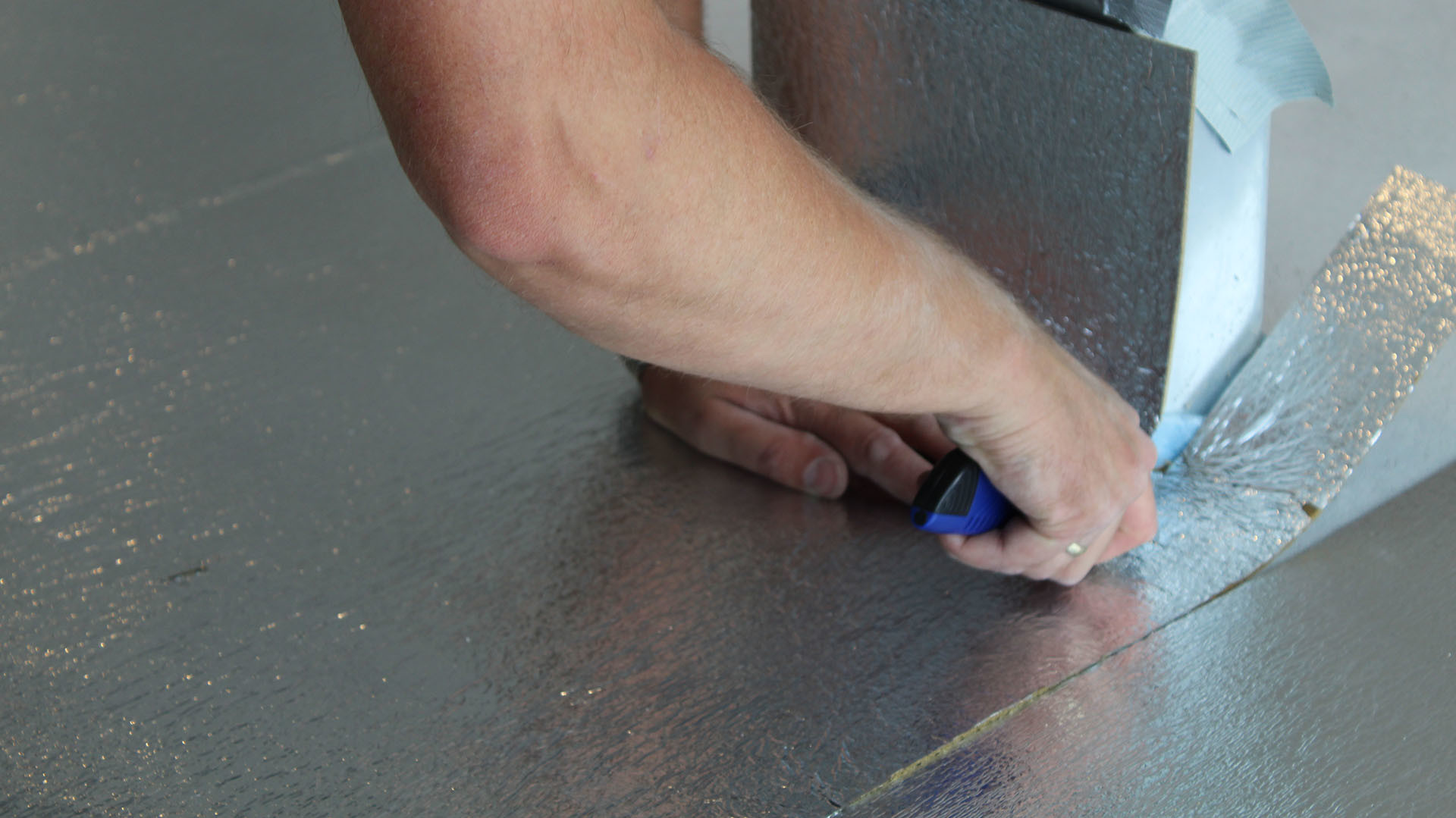
You should apply a suitable sound-absorbing cushion prior to laying your parquet flooring. This not only reduces sound in the room on the floor below, but also the footfall noise in the room itself. Additionally, a high quality sound cushioning underlay can be used to offset an uneven floor, providing maximum stability and extra comfort as you walk. The underlay required for your parquet flooring depends on the properties of the subfloor.
If the floor area is longer or wider than 10m, you must provide an expansion joint. Cover this with a transition profile. It is also important to provide these joints between two adjacent rooms, in doorways, passageways and rooms with a lot of angles. Always use a jointing profile for clean transitions to adjacent, lower areas or floor coverings and an end profile next to higher adjacent thresholds, tiles or the like. Give stairs a clean finish with the stair edge profile.
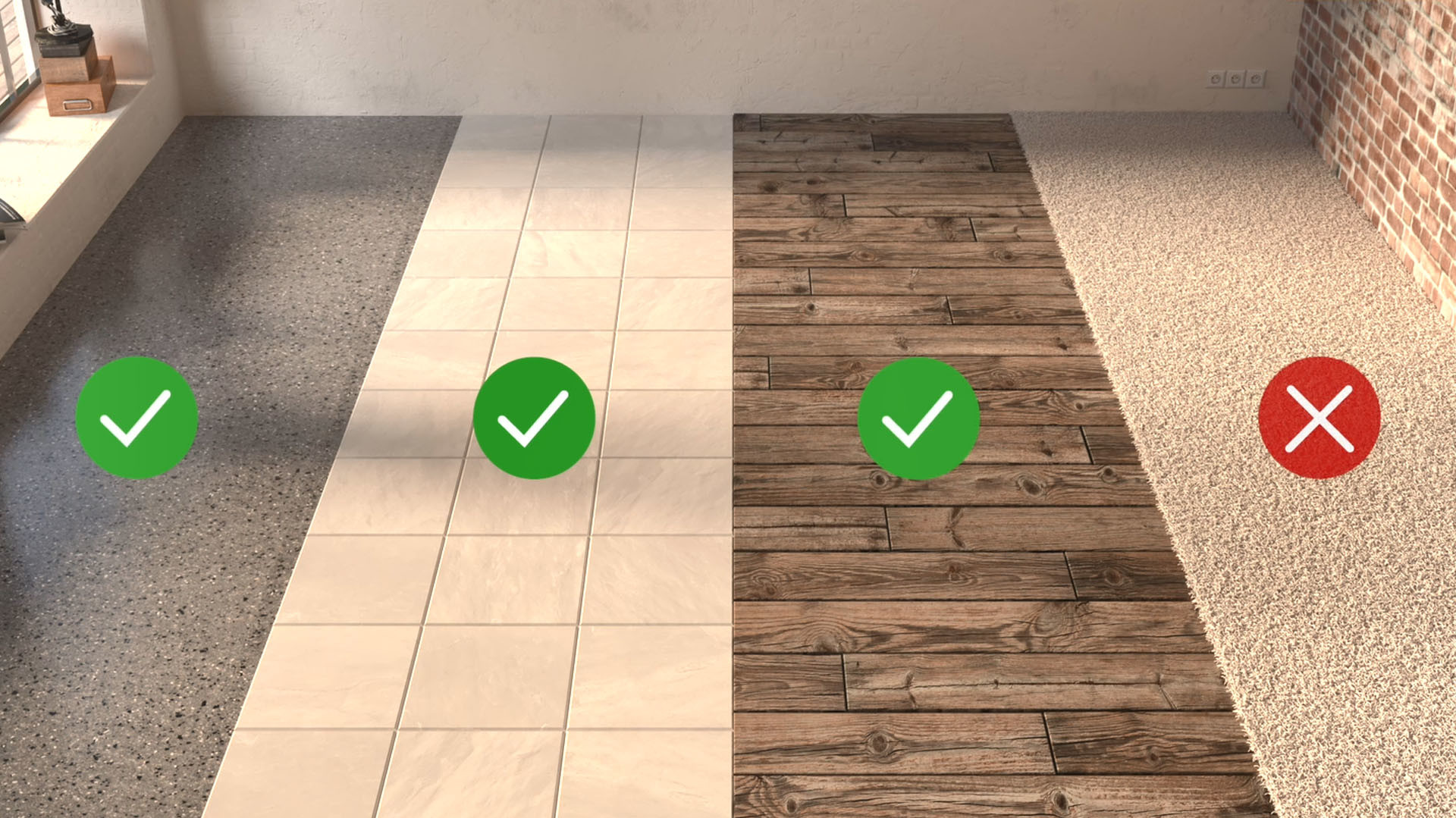
Additionally, you can install MEISTER flooring on existing floors (plastic/ceramic tiles/stone) as long as they are glued on firmly. For hygienic reasons and on account of its instability, we don’t recommend installing the floor on carpet.
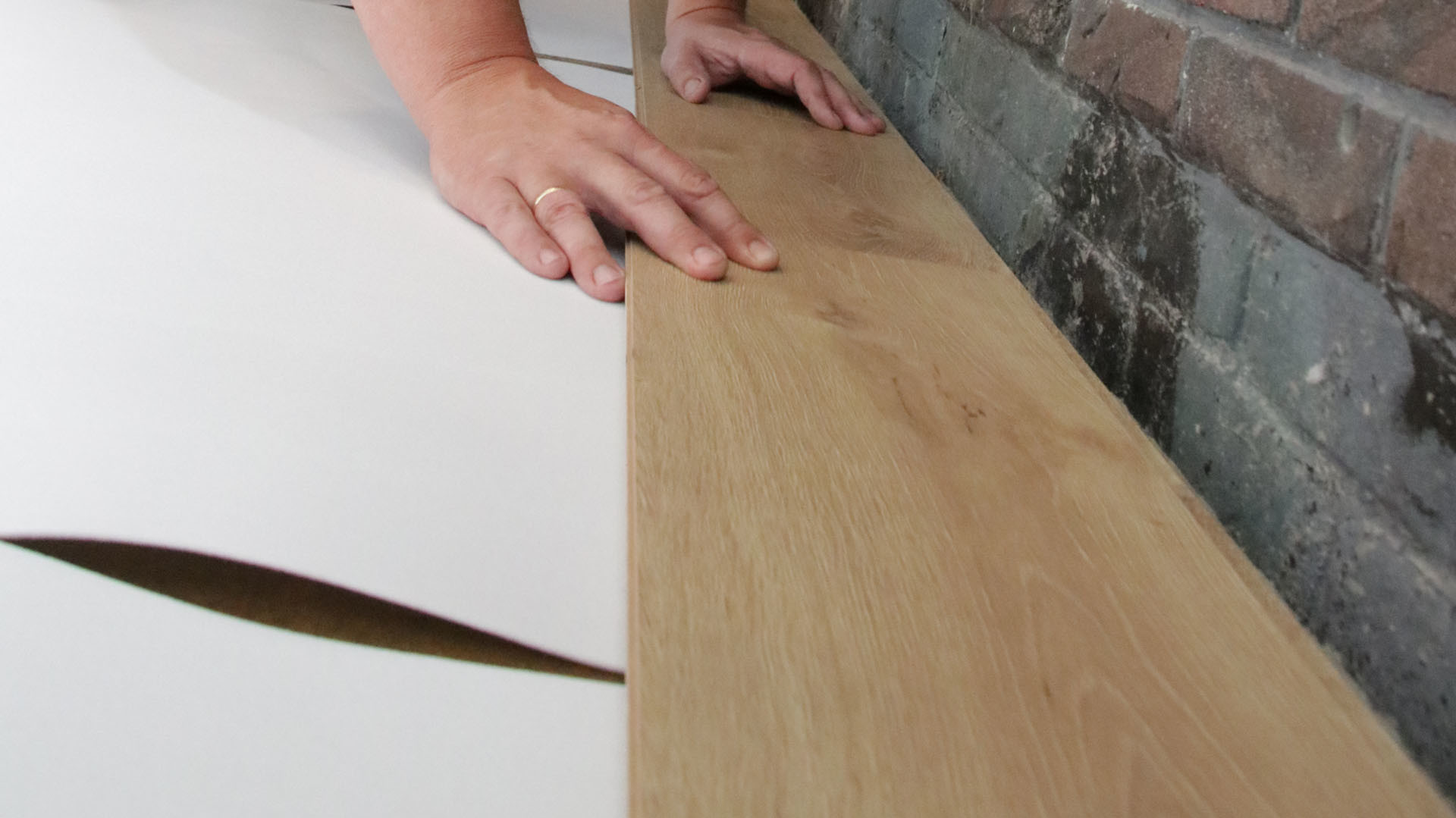
Start by laying the first complete plank in the left-hand corner of the room with the tongue sides facing the wall.